
Choosing the right ingredients for your bakery is crucial to creating delicious and high-quality baked goods. At sweetheartcloud.com, we understand that the foundation of any great bakery lies in its ingredients. This guide will help you navigate the world of bakery supplies, ensuring that you select the best options for your creations.
Understanding Flour Types
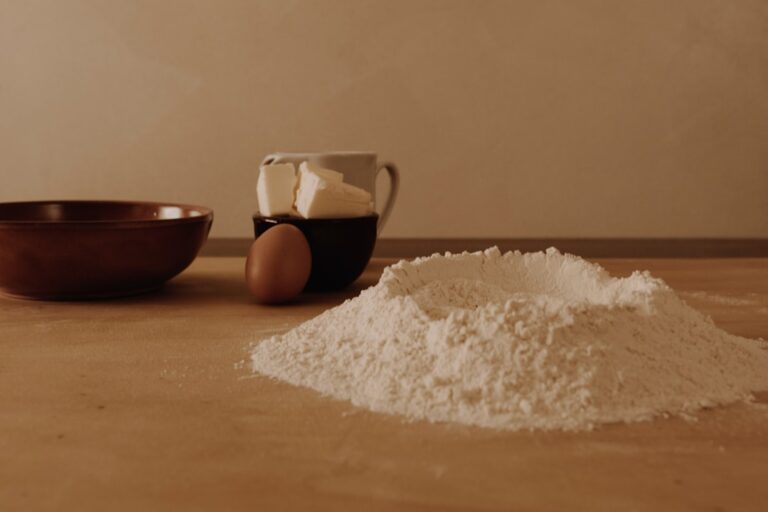
Flour is the backbone of most baked goods, and understanding the different types is essential. All-purpose flour is versatile and can be used for a variety of recipes, while bread flour has a higher protein content, making it ideal for yeast breads. Cake flour, on the other hand, is finely milled and low in protein, perfect for creating tender cakes. When choosing flour, consider the specific requirements of your recipes and the texture you want to achieve.
Additionally, specialty flours like whole wheat or gluten-free options can add unique flavors and textures to your baked goods. Whole wheat flour provides a nutty taste and more nutrients, while gluten-free flours cater to those with dietary restrictions. Experimenting with different flours can elevate your baking and attract a wider customer base.
Selecting Sugars and Sweeteners
Sugar is not just a sweetener; it plays a vital role in the texture and color of baked goods. Granulated sugar is the most common, but brown sugar adds moisture and a rich flavor due to its molasses content. For a healthier alternative, consider using natural sweeteners like honey or maple syrup, which can enhance the flavor profile of your products. Each type of sugar has its own properties, so understanding how they interact with other ingredients is key.
When selecting sweeteners, think about the final product you want to achieve. For instance, if you’re baking cookies, using brown sugar can create a chewy texture, while granulated sugar will yield a crispier cookie. Always test different sweeteners in your recipes to find the perfect balance that suits your taste and your customers’ preferences.
Choosing Fats for Flavor and Texture
The type of fat you use can significantly impact the flavor and texture of your baked goods. Butter is a classic choice, providing a rich flavor and tender crumb, but it can be substituted with oils or margarine for different results. Each fat has its melting point and flavor profile, which can affect the final outcome of your baked items. For example, using coconut oil can impart a subtle tropical flavor, while vegetable oil can create a lighter texture.
When selecting fats, consider the health aspects as well. Many bakers are now opting for healthier fats like avocado oil or even nut butters to cater to health-conscious consumers. Understanding the role of fats in your recipes will help you make informed decisions that enhance both taste and texture.
Incorporating Flavorings and Add-ins
Flavorings and add-ins are what make your baked goods unique and memorable. Vanilla extract is a staple in many recipes, but don’t shy away from experimenting with other extracts like almond or lemon. Spices such as cinnamon or nutmeg can elevate the flavor profile of your products, making them stand out in a crowded market. Additionally, consider adding fruits, nuts, or chocolate chips to create texture and bursts of flavor.
When incorporating add-ins, be mindful of their moisture content and how they interact with your other ingredients. For instance, adding fresh fruit may require adjustments to the liquid in your recipe to maintain the right consistency. Always test your recipes with different flavorings and add-ins to discover new combinations that will delight your customers.
Step-by-step plan:
Step 1: Research the types of flour and their uses for your specific recipes. Step 2: Experiment with different sugars and sweeteners to find the best flavor combinations. Step 3: Choose the right fats based on the texture and flavor you want to achieve. Step 4: Incorporate unique flavorings and add-ins to create signature baked goods.